

Category: Energy Sector, Market Study
Date: January – June 2018
Geographical Scope: Albania – TAP Route: Korça, Berat, Fier, Durrës
Partners: Trans Adriatic Pipeline AG (TAP), Albania
Project Overview
The project “Study on Economic Benefits of TAP in Albania” aimed to quantify the direct, indirect, and induced economic impacts of the Trans Adriatic Pipeline (TAP) on the Albanian economy. InSET was contracted to provide a comprehensive assessment of macroeconomic effects, employment benefits, and local development opportunitiesassociated with the pipeline, using advanced economic modelling and updated data from ongoing construction activities.
The study provides critical evidence to support policy-making, regional planning, and stakeholder engagement in the energy and infrastructure sectors.
Objectives
Overall Objective
To deliver a robust, data-driven evaluation of the economic impacts of TAP in Albania, including employment, local development, and long-term macroeconomic effects.
Specific Objectives
Quantify direct, indirect, and induced economic impacts of TAP;
Monetize the employment effects generated by the project;
Provide quantitative evidence on macro-economic effects for Albania, a country with a relatively limited production base;
Forecast the long-term economic impact (up to 50 years) using appropriate economic models.
Project Description
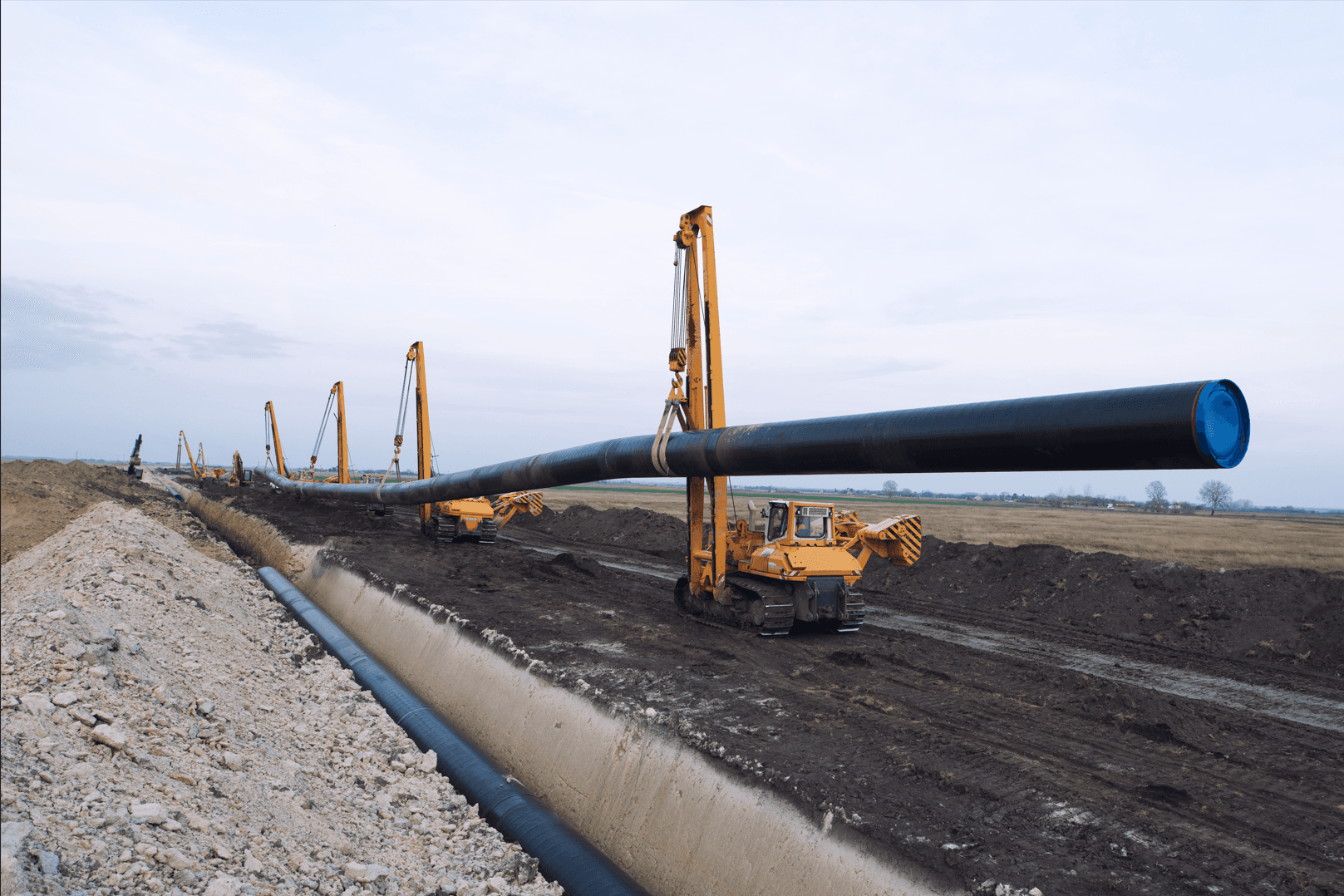
The Trans Adriatic Pipeline (TAP) is a strategic 878 km gas pipeline connecting the Caspian basin to Italy via Greece and Albania. The Albanian section spans approximately 215 km, traversing Korça, Berat, and Fier, affecting 38 administrative units. TAP plays a pivotal role in energy security and diversification for Europe, offering new opportunities for the Southern Gas Corridor and supporting sustainable energy supply in the region.
Prior to construction, TAP commissioned an initial economic assessment. To provide a more accurate and evidence-based evaluation, TAP selected InSET through an open bidding process to redo the assessment considering actual construction activities and updated operational data.
InSET’s Role and Contribution
InSET was responsible for the full scope of the economic assessment, including:
Scoping and coordination with TAP, including organizational and technical meetings;
Engagement with local stakeholders, including chambers of commerce, labor offices, municipal authorities, and educational institutions;
Development of long-term macroeconomic frameworks, comparing a baseline scenario (without TAP) and a TAP scenario to measure incremental impact;
Implementation of Input-Output macroeconomic models to estimate functional and behavioural economic relationships;
Detailed estimation of local development benefits, using micro-simulation exercises to quantify impacts;
Timely delivery of inception, draft, and final reports in accordance with contractual obligations.
Key Activities
Scoping Phase: organizational and technical meetings;
Stakeholder Consultation: discussions with chambers of commerce, labor offices, municipalities, and professional schools;
Macroeconomic Framework Development: baseline and TAP-inclusive scenarios for Albania;
Impact Analysis: Input-Output modelling to assess direct, indirect, and induced effects;
Local Development Assessment: micro-simulation exercises to estimate community-level benefits;
Reporting: delivery of inception, draft, and final reports to TAP.
Results and Impact
The study provided:
Quantitative evidence on economic, employment, and local development benefits of TAP;
Assessment of long-term macroeconomic effects up to 50 years;
Identification of regional development opportunities linked to TAP construction and operations;
Analytical support for stakeholder engagement, policy-making, and infrastructure planning in Albania’s energy sector.
Project Future and Sustainability
Future actions and potential follow-ups include:
Development of 4–6 case studies to illustrate TAP’s benefits in social, infrastructural, and environmental contexts (e.g., road construction, school renovations, environmental protection projects);
Application of the methodology to future energy sector projects or foreign investments in Albania;
Continuous support for policy and decision-making regarding energy infrastructure and economic development initiatives;
Use of the study as a model for regional and sectoral economic impact assessments.
This study contributes to evidence-based investment planning, enabling Albania to maximize the socio-economic benefits of large-scale energy infrastructure projects.